What giving up bread really does for your health
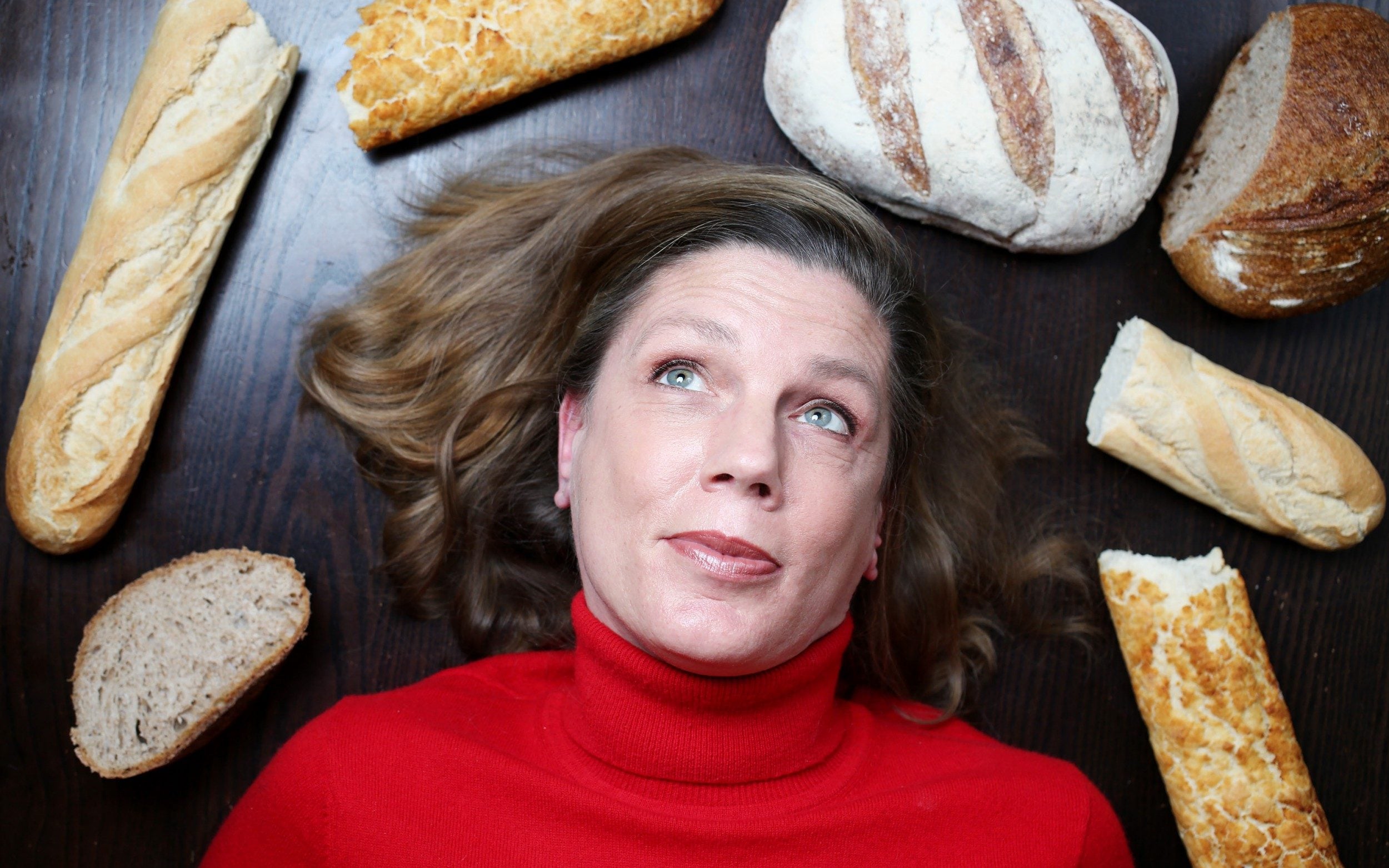
I'm a big fan of rye bread and crusty white rolls, it's all so delicious. This doesn't make me unique, though. Britons consume 37kg of bread per person per year, which works out at 46 large sliced loaves, and we purchase 11 million loaves every day, with white bread making up 71 per cent of our total bread consumption.
Personally, I have no off switch, and what's worse is that it's never satisfying. Instead, it's like a gateway drug that soon leads to biscuits and then straight into the arms of Mr Kipling.
To be honest, I feel like I could do with a bit of a fresh start. Caren Richards, a registered nutritionist, thinks that's a good idea for many of us. “Bread is an easy option when we're short of time – a slice of toast for breakfast or a quick sandwich for lunch. I think having a reset can encourage you to think a bit harder about your food choices with a view to not relying so heavily on bread.”
Why is carbohydrate-rich bread so unhealthy to eat?
There's a good reason we all love bread. Carbohydrate-rich foods such as bread trigger a strong release of 'feel good' hormone dopamine. Richards explains: "This makes sense from an evolutionary perspective, as high energy foods are valuable and seeking them out would have been beneficial."
Unfortunately, bread causes our blood sugar levels to rise sharply, which explains my mini-Battenberg problem, but also shows me how I can get on top of it. “Bread can upset our blood sugar balance, but getting it back under control will give you more consistent, stable energy throughout the day. Swapping your lunchtime baguette for a more balanced meal means you're less likely to experience a mid-afternoon energy slump.”
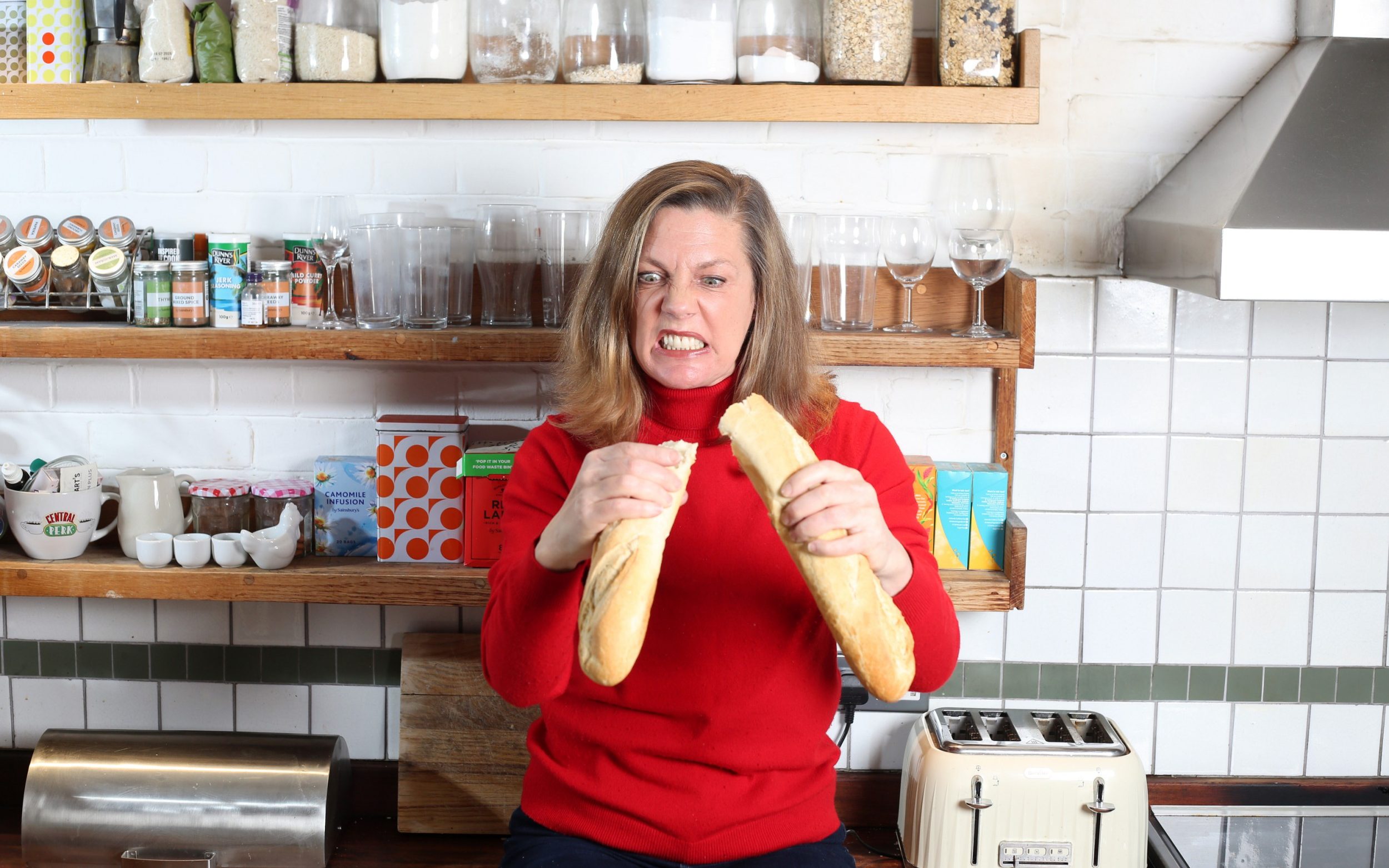
And if you think you can hide behind a wheat-free loaf, beware. These can contain similar amounts of additives "as they are trying to replicate the texture and visual appeal of a wheat loaf," says Richards.
It's time to go completely off the stuff.
Does cutting out bread from your diet lead to weight loss?
“If you're trying to manage your weight, a good starting point could be to look at your diet and reduce your intake of processed wheat products,” says Richards.
I had a roast beef roll with a green salad, two hard-boiled eggs and a whole packet of Sainsbury’s bresaola. I'm still feeling extremely peckish. It appears I've fallen into a classic trap. Richards points out that giving up bread without replacing it with something else that's just as filling is a common mistake and a recipe for disaster. I follow her advice and soon I'm having porridge oats with banana for breakfast and a hearty soup packed with beans and pulses for lunch. I'm feeling less hungry overall and successfully avoiding Mr Kipling. I've also lost a couple of pounds. So, why would I lose weight by eating porridge oats – a carb – but not bread?
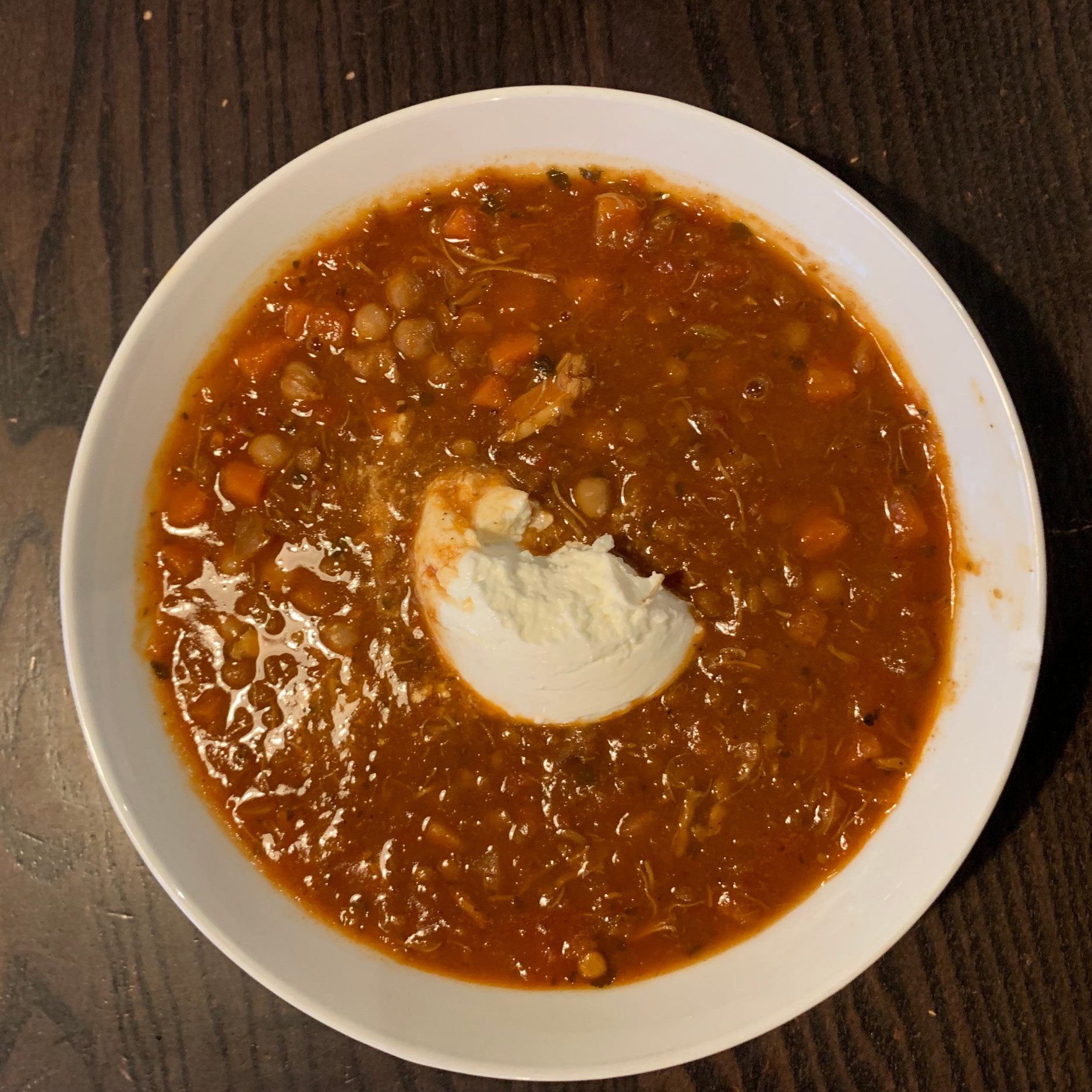
There are a few reasons why eating bread can contribute to weight gain," says Richards. "Bread tends to have a high carbohydrate density, meaning that per serving we get a relatively high proportion of carbohydrate. And carbohydrates from bread may not be as filling as those from whole, minimally processed foods. For instance, eating root vegetables, beans, and lentils tends to keep us feeling fuller for longer due to their fibre, water content, and bulk.
Recommended
How wholesome is your supermarket loaf? Here are the ones to steer clear of
Read more
As usual, it's all about the fibre and lack of processing in whole foods.
Bread isn't inherently worse than other carbohydrate sources. Nevertheless, when compared to unprocessed carbs like sweet potatoes, quinoa or brown rice, bread (even wholegrain) typically has lower fibre content and can be easier to overeat.
The main distinction is that whole food sources tend to be more nutrient-rich and more satisfying, which may help with feeling full and managing weight effectively in the long term.”
What effect does bread have on your digestive system?
Even for people who aren't gluten intolerant, the digestive process can be affected by stress. "As an example, if you're on holiday, relaxed and enjoying life, eating French bread, pitta or focaccia might be no problem, but at home if you're busy, stressed and not taking care of yourself a sandwich eaten in a rush at your desk might sit in your stomach all afternoon and leave you feeling bloated."
And gut health, increasingly regarded as the key to a lot of our wellbeing, is improved by eating more fibre than the average slice or two of bread contains. “A lot of the bread that we’re eating is stripped of any kind of fibre. So we’re not looking after our gut with the diversity of foods that we’re eating. By replacing bread with nutrient-dense legumes, beans and root vegetables, you will support your gut bacteria, leading to better digestive health.”
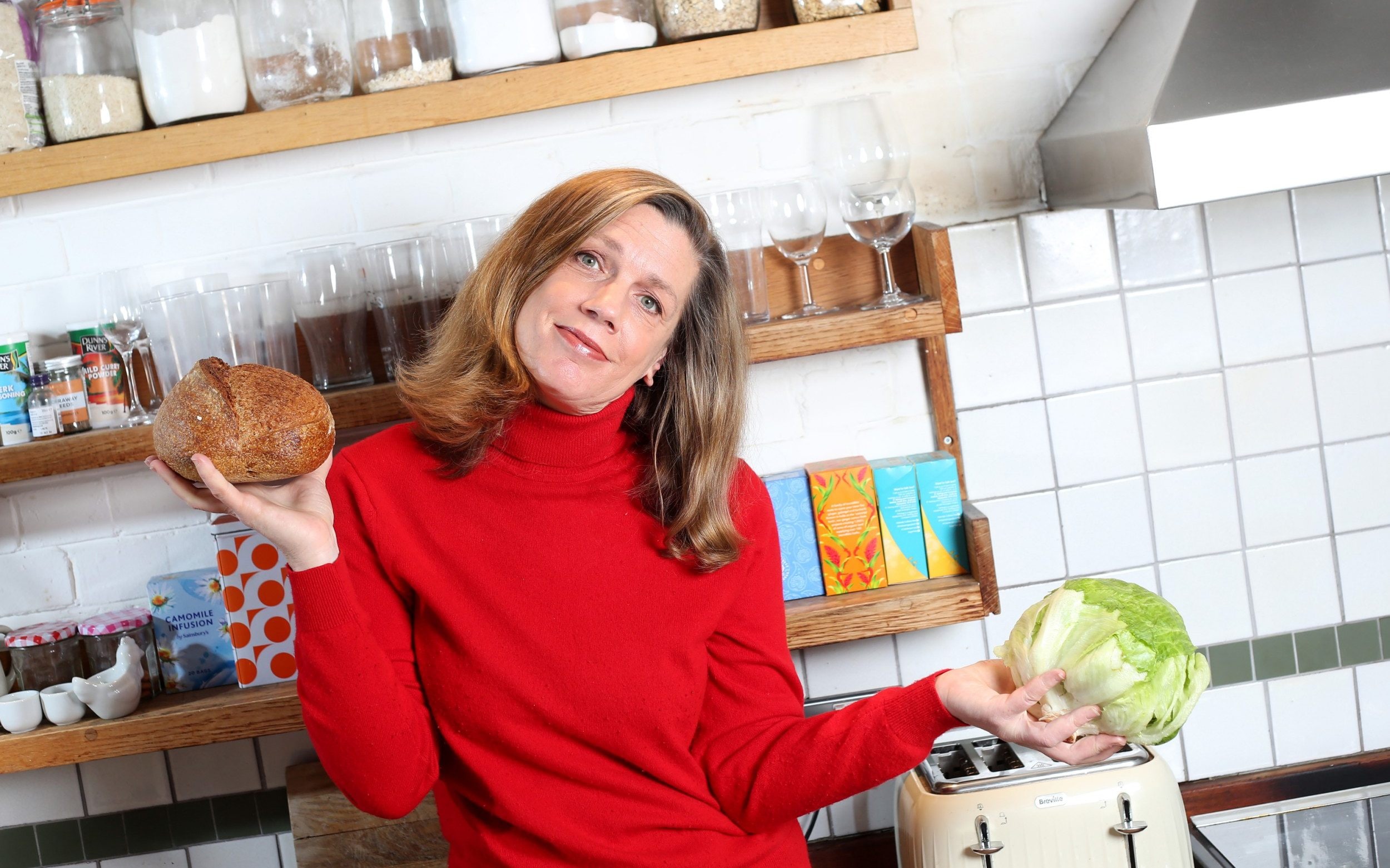
Meanwhile, gluten is harder for the body to process even if you don't have an allergy, and more and more people are developing an intolerance. "So if you have these awful digestive symptoms, cutting out gluten just gives the body and the digestive tract a bit of a rest," says Richards.
Does this rule apply even to more refined breads such as sourdough?
From the supermarket. But if you’re eating a great deal of it, you might still find that the body is saying, hold on a minute, I’m really struggling with the gluten content, aren’t I.
The other issue with our over-reliance on bread is that it inevitably means we're missing out on other essential nutrients. "If you're having bread every morning for breakfast, that means you're not having oats or chia porridge, or an omelette."
It's logical: a diet that relies mainly on one type of food is unlikely to be as healthy as a diet that includes a wide variety of foods and therefore a wide range of nutrients.
My bread reset: What I'm currently eating
After a month of not having bread, I can feel a significant difference in my digestive system, with it feeling much smoother and I'm no longer bloated. I've also lost a few pounds. Once my blood sugar levels stabilised, it became easy to cut down on biscuits and cakes, as well as bread, and I'm consuming fewer calories in general. I've gained more control over my afternoon dip in energy and no longer feel the need to rush to the vending machine for a chocolate bar - I either eat a piece of fruit or wait it out. Although I'm still eating the same amount of calories at meal times, I've managed to avoid the numerous unhealthy snacks that used to be a regular part of my day.
It's not sensible to aim to be completely bread-free, to be honest. I'm aware that if I set myself that target, I'll ultimately fall short and end up back where I started.
According to Richards, it's essential to select the right type of bread and to add protein rather than sugary toppings such as jams and spreads.
Depending on what you're trying to achieve with your health, it might not be necessary to cut out bread entirely, but rather be a bit more careful about the type of bread you have and how you consume it.
In addition to the obvious choice of avoiding processed bread wrapped in plastic, consider the weight of the bread itself. Heavier breads like pumpernickel or rye are less likely to be as satisfying as a French stick. “The key is how quickly the body breaks it down. With a baguette, it's easy for the body to break it down into molecules of glucose, and suddenly they enter the bloodstream and are digested. However, denser bread like pumpernickel takes longer to digest, so it'll stay in the stomach for a while and take longer for the body to break it down and release glucose. This results in a slower release of sugar and dopamine into the system.”
For instance, consider combinations like cream cheese with smoked salmon, scrambled eggs and cottage cheese, edamame and feta, peanut butter and chia seeds, ricotta and walnuts, or scrambled tofu and red peppers. Including protein in your snack will slow down the release of sugar into your bloodstream, making it less likely you'll experience a rapid spike and subsequent crash in blood glucose. This, in turn, will help maintain your energy levels and keep your cravings under control. Furthermore, protein is highly satiating, sending a signal to your brain that you're full, reducing the likelihood of reaching for a second helping of toast!
And her final words: "Have it as an occasional treat rather than a regular staple." I will try.
What giving up bread was like, week by week
Week 1
I had salads with protein-rich foods like a whole pack of Sainsbury's bresaola and two boiled eggs. I was extremely hungry and felt wretched, but despite losing 1kg, I suspected that most of it was just water weight, as I had read that high-protein diets can help get rid of excess water.
Week 2
I added oats and pulses to my diet. I had porridge with a banana for breakfast and a tuna and bean salad for lunch. Although the calorie count was the same as a sandwich, I ate a bit too much and felt unwell. On my way back from the theatre, I ate a bagel with smoked salmon and cream cheese, telling myself it was the only option available on the station platform and it was delicious, but I got back on track the next morning. Unfortunately, I didn't see any weight loss.
Week 3
I felt more at ease after eating a smaller serving of pulses, and my persistent hunger subsided. I was no longer craving bread. Looking through the pictures of biscuits in my calorie book left me feeling completely indifferent. I had lost 1lb.
Week 4
My jeans belt has come undone. I've noticed I can go for longer without eating and avoid snacking. This has never happened before when I was eating bread. All I wanted to do was keep eating more bread and/or have some Mr Kiplings. I'm going to reintroduce bread "as a treat not a staple", following Richards' advice. But then I ended up having three slices of sourdough and the next day a garlic naan. I'm starting to slide back. I'll need to be careful.
My diet without bread
Before
Breakfast
Weekend croissant with homemade jam
Lunch
Olive sourdough roll with roast beef, rocket and horseradish
Snack
Mr Kipling cake
Dinner
A pie or a curry with naan bread
After
Breakfast
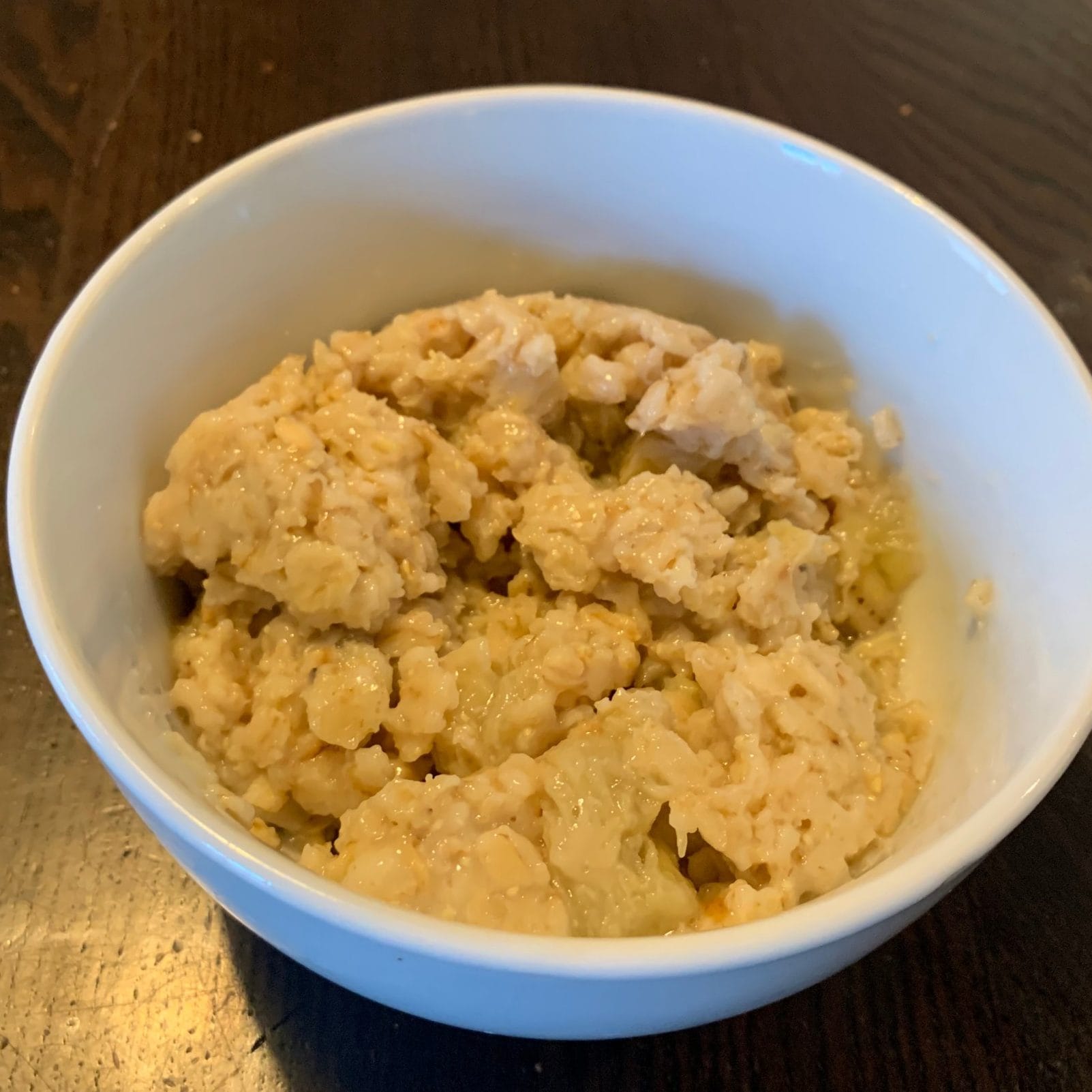
Porridge and banana
Lunch
Lentil soup with zero-fat Greek yoghurt
Snack
Pear
Dinner
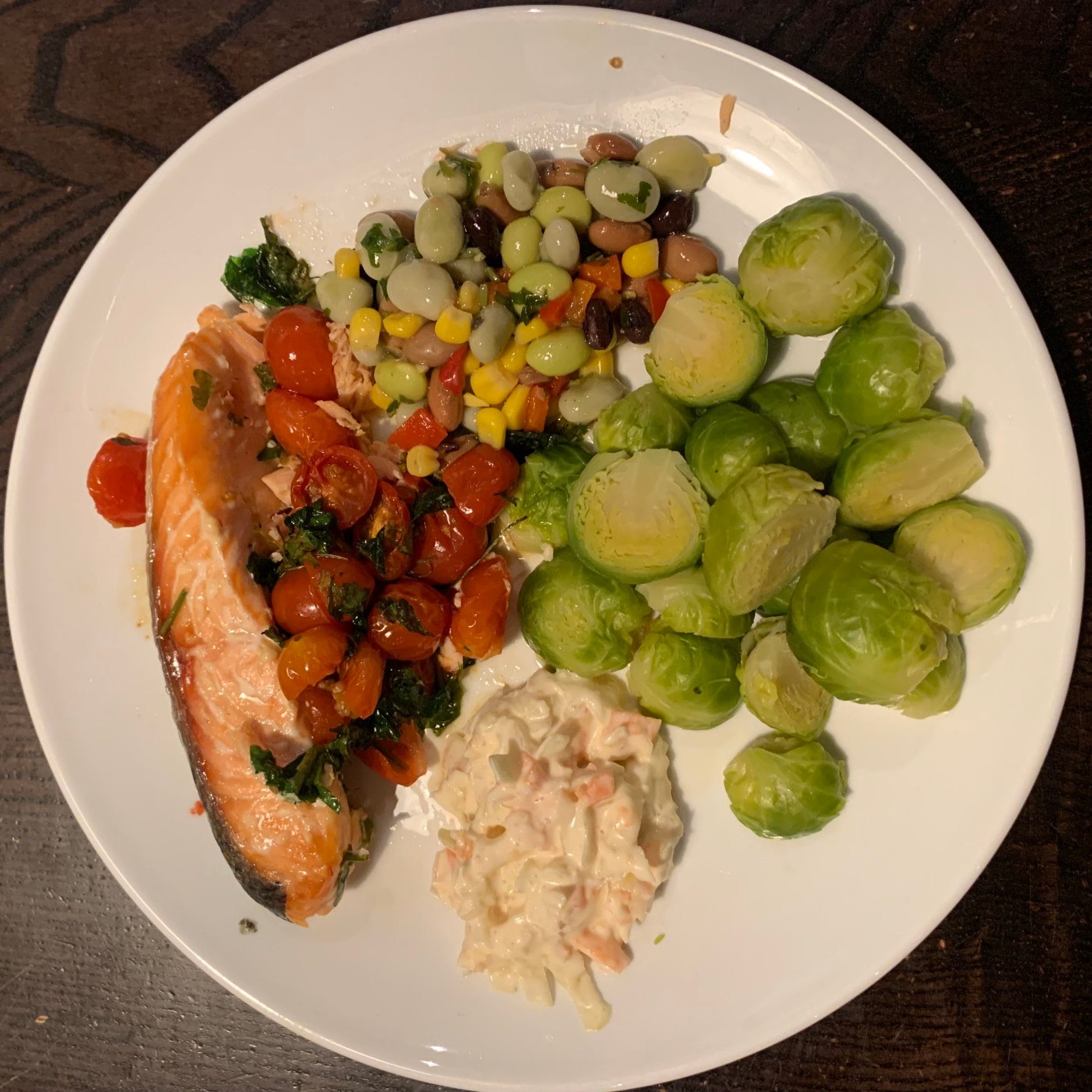
Roast chicken with fresh green vegetables, mixed bean salad and a side of coleslaw
Play The Telegraph's excellent collection of Puzzles - and feel more cheerful every day. Improve your mind and lift your mood with PlusWord, the Mini Crossword, the challenging Killer Sudoku and even the traditional Cryptic Crossword.
Posting Komentar