Top 10 Unexpected Consequences of the Renewable Energy Boom
Rising Land Use Conflicts
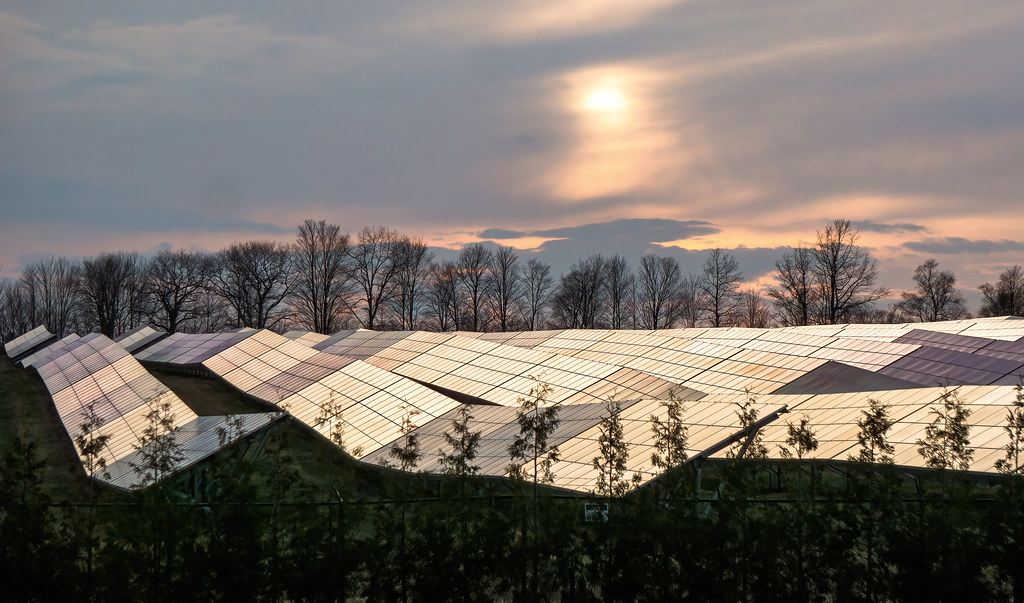
As solar and wind power become more sought after, the amount of land needed to support these types of energy sources is increasing. Big solar farms need big chunks of land, which is causing problems with farmers and local residents.
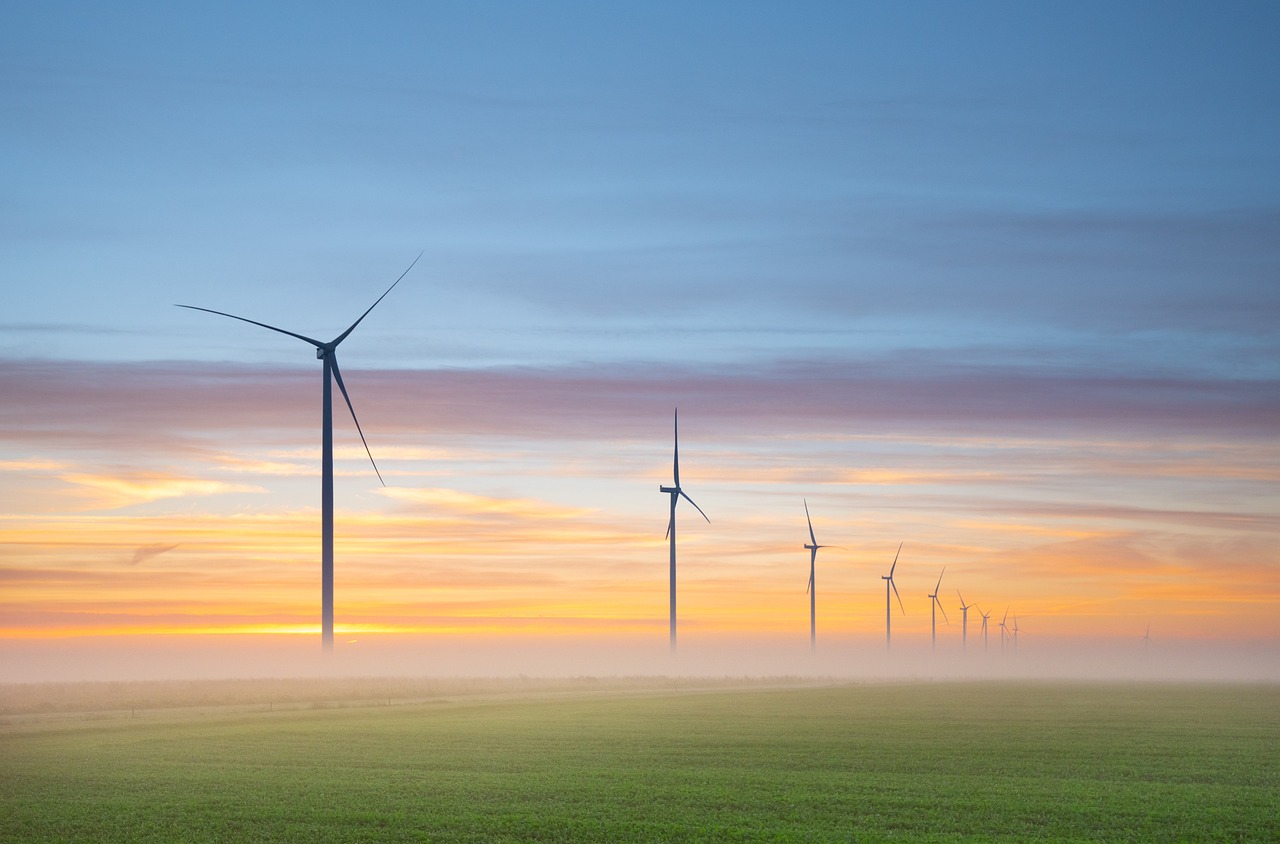
In some parts of the country, good land for farming is being turned into solar farms, causing arguments about what's the best use for the land. Meanwhile, wind farms are often set up in the bush, which can lead to disagreements about visual and noise pollution.
The pursuit of clean energy often creates a dilemma between protecting the environment and local community interests. As more nations move towards renewable energy, finding a balance between preserving land and developing energy resources is becoming a growing challenge.
Impact on Wildlife
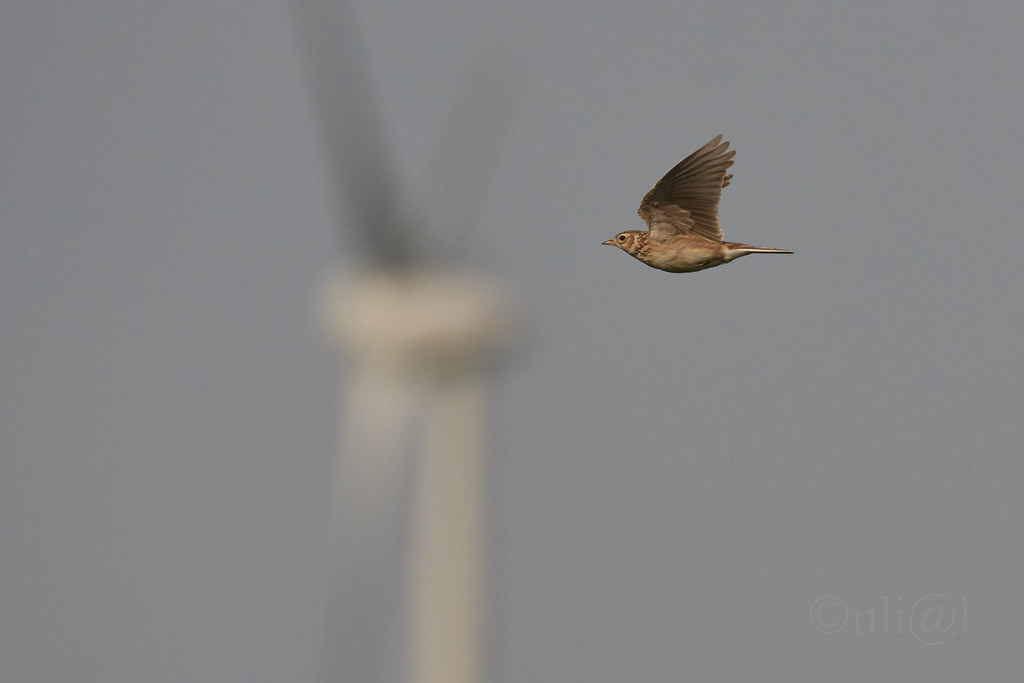
While renewable energy's main goal is to cut carbon emissions, it can have an unintended impact on wildlife. Wind turbines, for example, can pose a threat to birds and bats, sometimes resulting in substantial mortality rates.
Solar panels can also mess with local ecosystems by changing the way the area looks. The glare from solar panels has been known to confuse birds, causing them to fly into the installations.
Building renewable energy facilities can also disrupt the homes of different animals, causing them to be forced out. This shows how important it is to plan carefully and come up with strategies to stop the harm to wildlife while we work towards cleaner energy.
Shifts in Local Economies
The renewable energy boom is giving regional economies a fresh new look. Places that were once dependent on coal and gas industries are now experiencing a change as renewable energy projects bring in new job opportunities.
However, this transition isn't always a smooth run. The skills needed for renewable energy jobs are often different from those in traditional energy sectors, meaning retraining programs are often needed.
In addition, areas that relied heavily on coal or oil may experience economic downturns as these industries decline. The shift to renewable energy requires a thoughtful approach to maintain economic stability and prepare the workforce in regions that are impacted.
Grid Stability Challenges
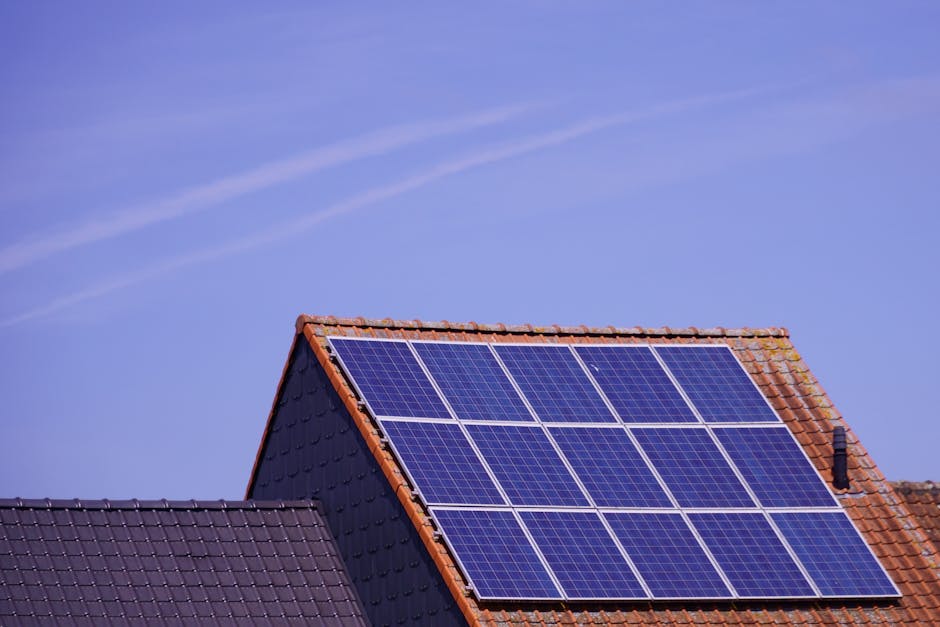
Getting renewable energy to work with the existing power grid is a bit of a tricky business. Unlike fossil fuels, which come on tap as needed, renewable sources like wind and solar power don't always deliver a steady supply of energy.
This variability can put a lot of stress on power grids, making it harder to keep the power on and potentially leading to blackouts. The challenge of balancing how much energy is produced and how much is used becomes even more complicated as more of our energy comes from renewable sources.
Energy storage solutions, like batteries, are being developed to tackle these challenges, but they bring their own set of problems. Guaranteeing grid stability in a power system dominated by renewable energy sources is still a major issue.
Resource Scarcity for Technology
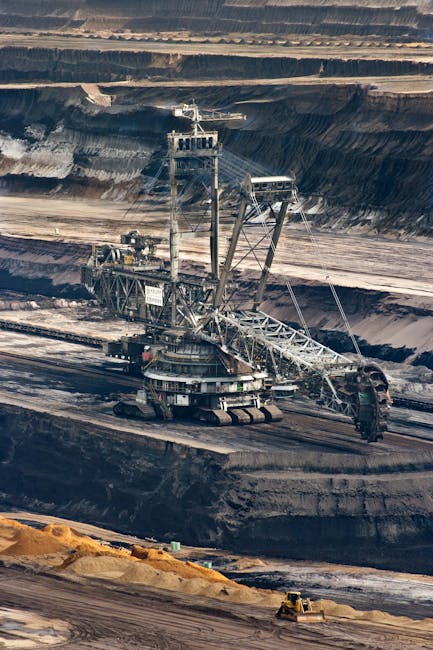
The production of renewable energy technologies depends on certain materials, some of which are in short supply or hard to get. Rare earth elements, which are vital for wind turbines and solar panels, are only available in limited amounts and are mainly found in specific areas.
The lack of these resources can create tensions between countries and make supply chains more fragile. As the demand for clean energy technologies increases, the pressure on these vital resources also grows.
Finding eco-friendly alternatives or reusing existing materials becomes vital to prevent blockages and ensure the ongoing expansion of renewable energy.
Environmental Concerns in Manufacturing
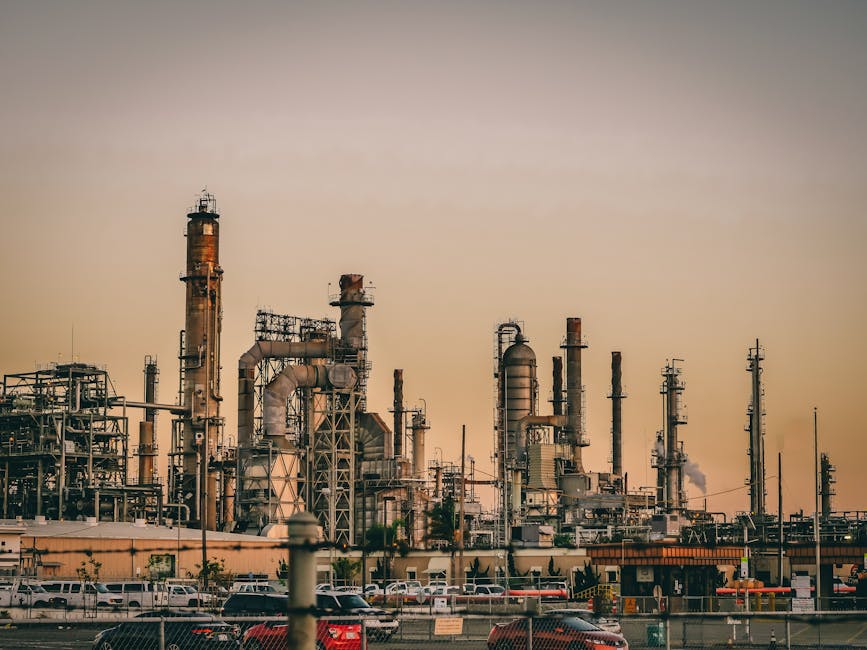
While renewable energy is cleaner in operation, the process of making wind turbines and solar panels can have a negative effect on the environment. Extracting and processing the raw materials often causes pollution and harm to local wildlife habitats.
In addition, the making of these technologies uses a lot of energy, which can sometimes cancel out the good they do for the environment. It's crucial to look at the environmental impact of making renewable energy so we can make sure that the shift to clean energy is genuinely sustainable.
Improvements in manufacturing methods and materials can help address these worries.
Changes in Energy Prices

The move towards renewable energy is having a complicated impact on energy prices. At first, the changeover can result in higher costs due to the need for new infrastructure investments.
However, over time, the cost of renewable energy sources tends to drop, making them more competitive with traditional energy sources. In some areas, this has led to lower electricity prices and increased energy affordability.
Yet, the variability of renewable energy supply can also cause price swings, creating uncertainty for consumers. It's essential for both policymakers and consumers to grasp the long-term economic consequences of the renewable energy boom.
Socio-Political Dynamics
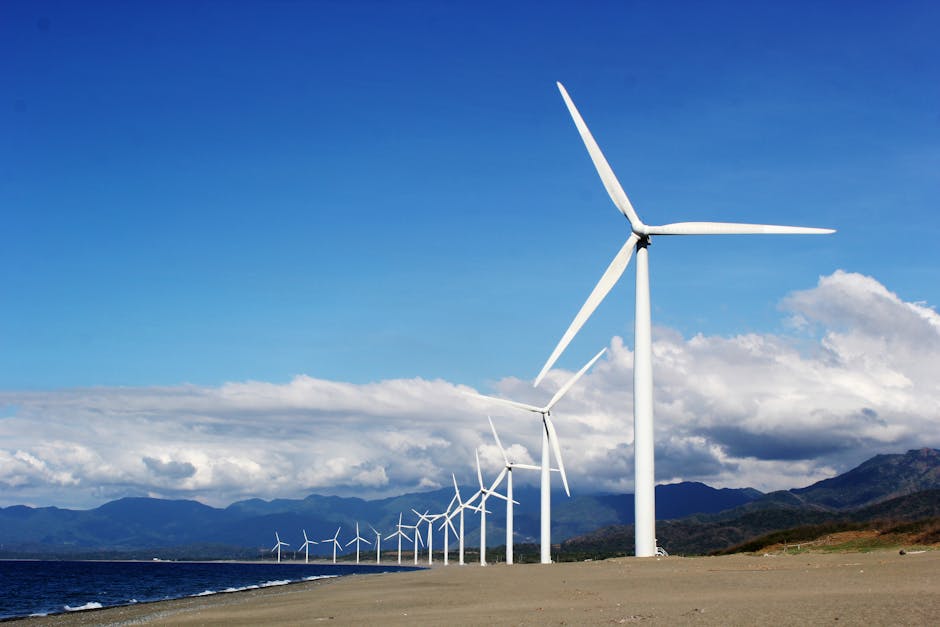
The renewable energy boom is changing the way countries are arranged politically around the world. Nations that have a lot of fossil fuels are reassessing their energy plans, while countries that have plenty of renewable energy resources are gaining more power in international politics.
The global shift towards renewable energy is creating new partnerships and rivalries as countries vie for leadership in clean technology. Furthermore, the transition to renewables is sparking debates about energy self-sufficiency and security.
As the world goes through this energy shift, the social and political landscape keeps changing in some pretty surprising ways.
Waste and Recycling Challenges
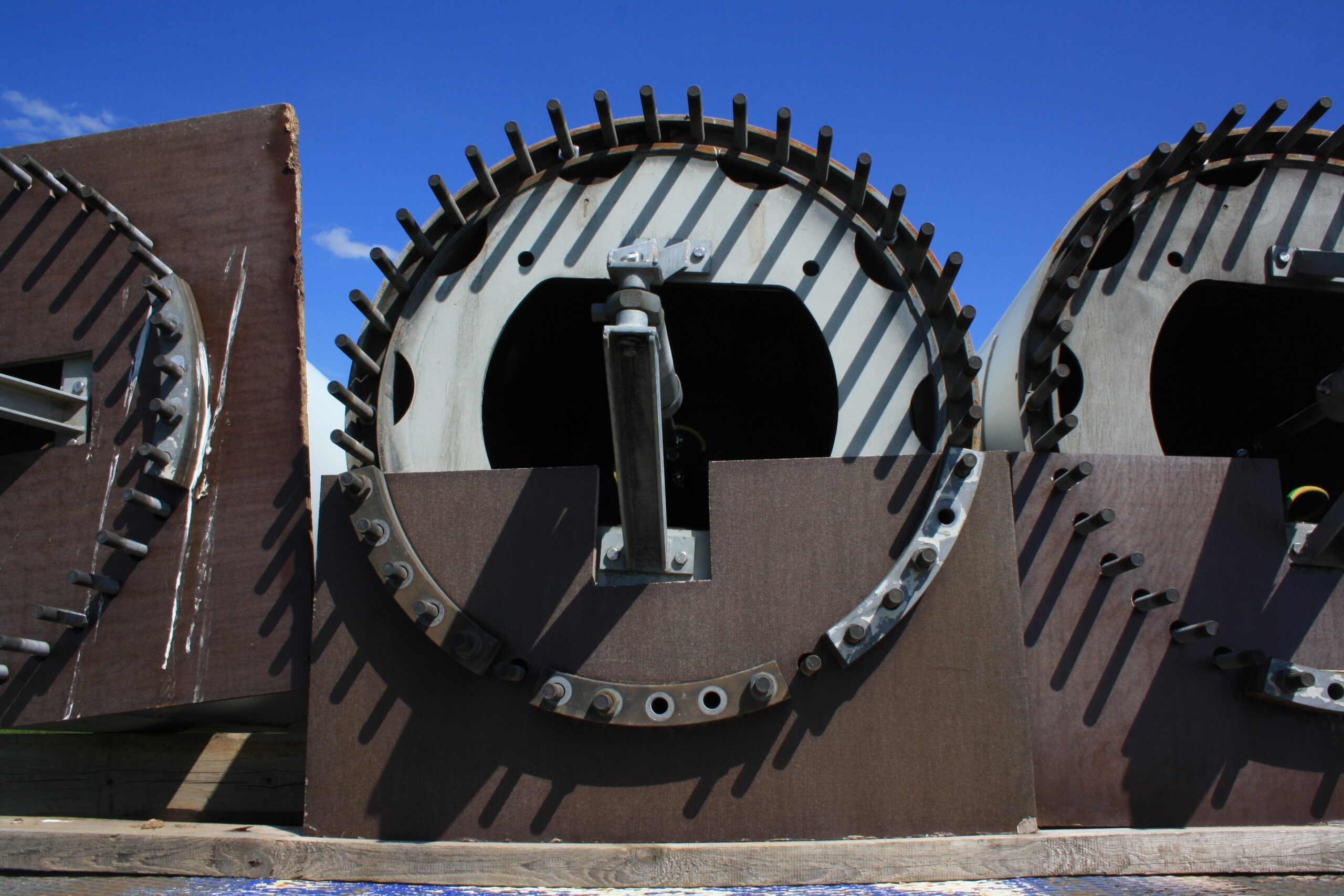
As renewable energy technologies reach the end of their lifespan, dealing with waste and recycling becomes a major problem. Wind turbine blades and solar panels are hard to recycle because of their complicated materials and construction.
Without proper recycling solutions, these components could end up in landfills, causing environmental problems. Developing efficient recycling processes and promoting a circular economy approach are crucial to tackling the waste issues linked to renewable energy.
As the industry develops, we need new ideas to look after waste in a way that's good for the environment.
Public Perception and Acceptance
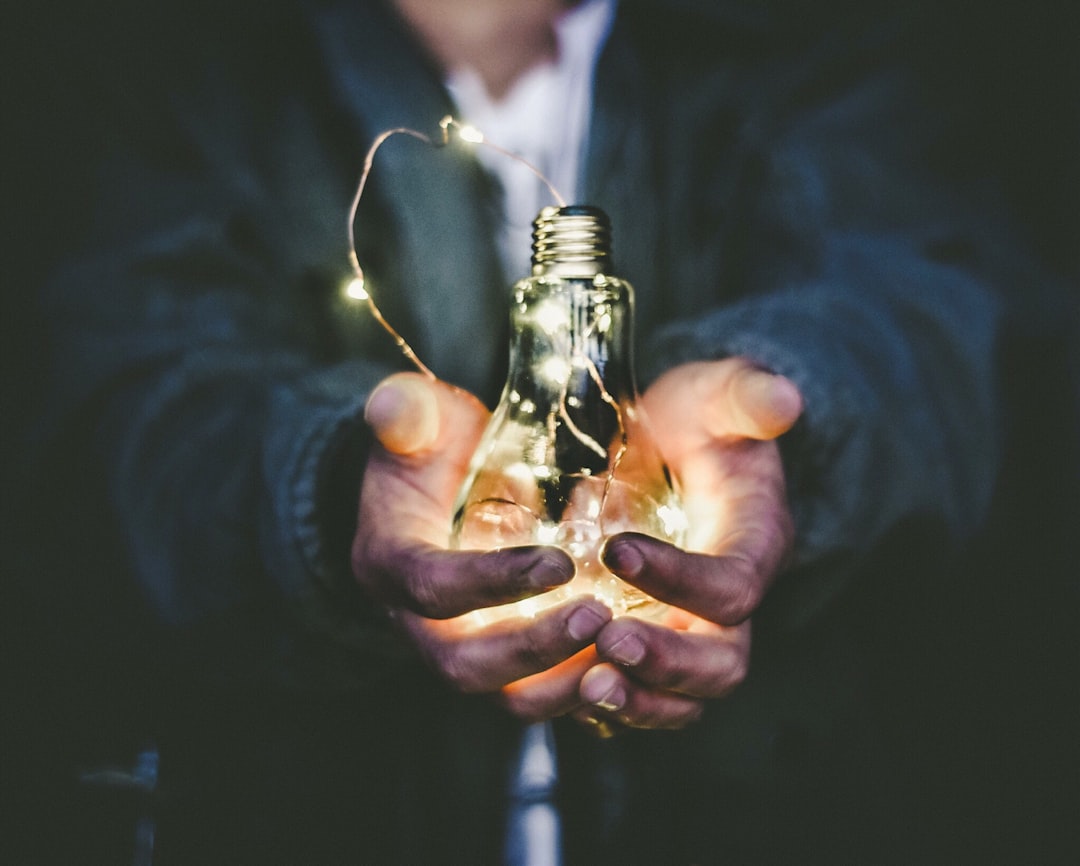
The way the general public thinks has a huge influence on the adoption of renewable energy. While heaps of people are in favour of making the switch to clean energy, others are worried about the visual and environmental effects of projects like this.
Local opposition to wind farms and solar installations can cause delays or stop projects in their tracks, which can slow down the shift to renewable energy. Building a strong connection with the community and addressing their concerns is vital to getting public support.
Clear communication and community engagement can help promote backing for renewable energy projects. As the industry expands, managing public opinion remains a major challenge.
What do you reckon about this topic? Share your thoughts in the comments below – we'd love to hear from you! Want more stories like this? Follow us and never miss out!
Posting Komentar