Earth has six continents not seven, radical study claims
after all.
From a young age, we're taught that the world is divided into seven continents: Africa, Antarctica, Asia, Oceania, Europe, North America and South America. But new research is challenging this traditional view.
The theory suggests we only have six continents.
This remarkable assertion stems from comprehensive research into the geological processes driving the fragmentation of the European and North American landmasses, and how these landmasses have developed over time.
His team's research suggests that "the North American and Eurasian tectonic plates have not yet actually separated, as is traditionally believed to have occurred 52 million years ago."
He reckons these plates are still moving apart and breaking off, rather than being completely separate entities.
In other words, North America and Europe could be classed as a single continent, rather than two separate ones.
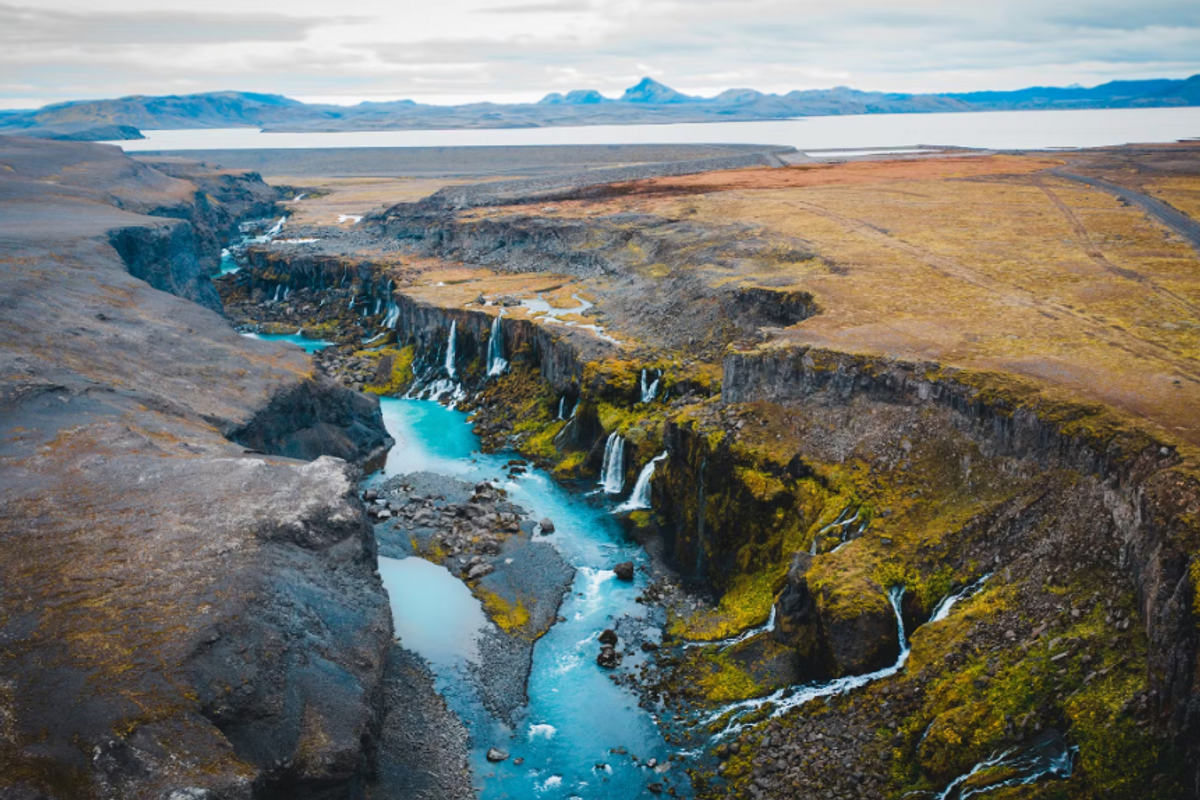
This study is centred on the volcanic island of Iceland, which was previously thought to have formed approximately 60 million years ago, resulting from the mid-Atlantic ridge.
notes.
However, by carefully examining the movement of the tectonic plates across the African continent, Phethean and his colleagues have questioned this theory and proposed a completely new idea.
They claim that Iceland, as well as the Greenland Iceland Faroes Ridge (GIFR), comprises geological fragments from both the European and North American tectonic plates.
They reckon these regions aren't isolated landmasses, but rather connected bits of a bigger continental puzzle.
The scientists have even coined the term “Rifted Oceanic Magmatic Plateau” (ROMP) to describe this new geological feature, which could have major implications for how we understand the formation and break-up of Earth's continents.
.
This is due to the fact that he and his team have discovered "fragments of a sunken continent hidden beneath the ocean and kilometres of thin lava flows."
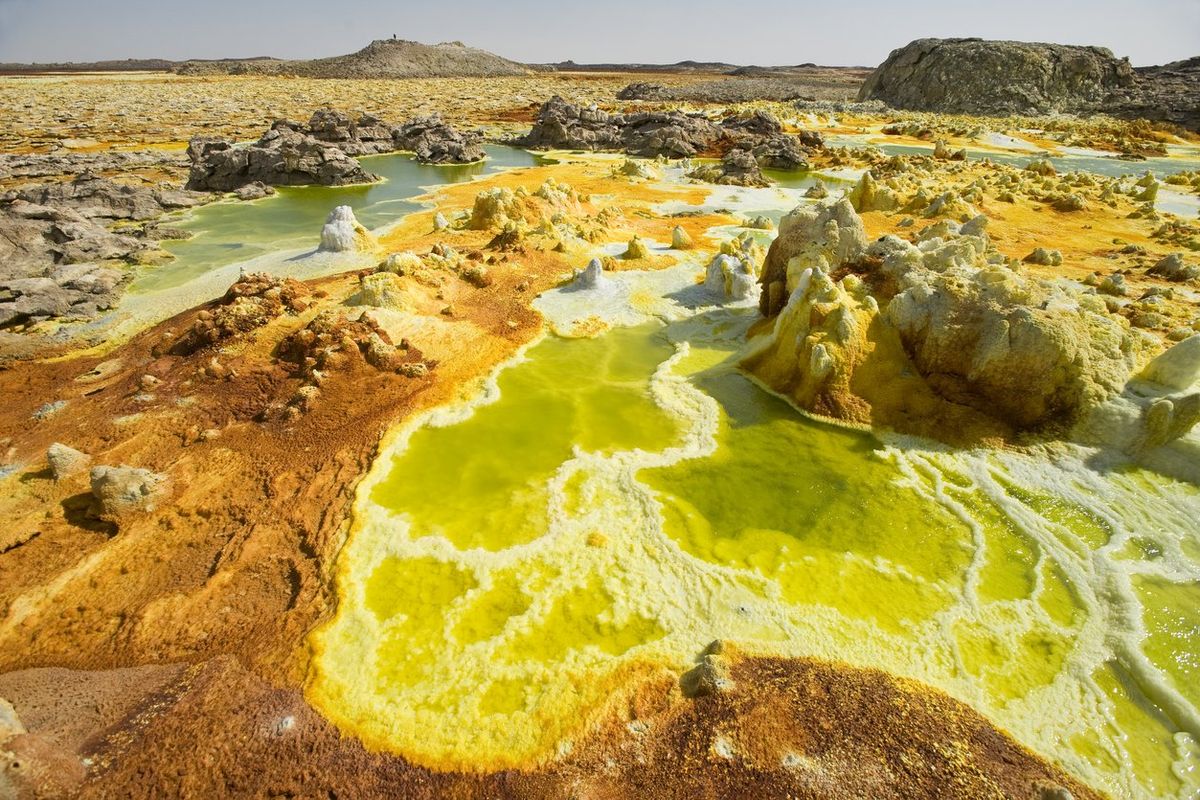
In addition, the researchers have discovered remarkable similarities between Iceland and Africa's volcanic Afar region.
And if their study comes up trumps, this would mean the European and North American continents are still in the process of splitting apart and are, therefore, still connected.
Phethean concedes that his team's discoveries will likely spark some raised eyebrows, but he maintains they are based on rigorous research.
He's acknowledged it's a bit of a contentious idea to suggest the Gondwana Indian Ocean Reconstruction (GIFR) holds a large amount of continental crust, and that the European and North American tectonic plates mightn't have fully separated yet, but his research backs up these theories.
However, the research is still in its early stages and the team wants to carry out further tests on Iceland's volcanic rocks to get more solid proof of an ancient continental crust.
They're also using computer simulations and plate tectonic models to get a better understanding of how the ROMP forms.
Located between Canada and Greenland.
This small landmass is roughly the same size as England and lies beneath the Davis Strait, just off Baffin Island.
Phethean noted that "rifting and microcontinent formation are ongoing phenomena" which help scientists have a better understanding of the behaviour of continents and plate tectonics.
This knowledge can help specialists forecast what our planet might look like in the distant future and assist in pinpointing where valuable resources might be found.
This article was originally published on August 7, 2024.
Sign up For our free weekly newsletter
How to join The 's free WhatsApp channel
Posting Komentar